
Why ABM NeuroMovement is the Best Therapy for Special Needs Kids
If you're searching for therapy for special needs children, you've likely encountered countless approaches, physical therapy, occupational therapy, speech therapy, and more. Each promises progress, yet you may still wonder: Is there something different? Something that truly honors how my child learns?
The answer is yes. ABM NeuroMovement® offers a fundamentally different path: one that works with your child's brain rather than against their body.
The Brain-Body Disconnect in Traditional Therapy
Most traditional therapies for special needs kids focus on the body. Therapists work to strengthen muscles, stretch tight areas, and practice specific movements over and over. While well-intentioned, this approach misses something crucial: your child's challenges don't start in their muscles: they start in their brain.
Children with cerebral palsy, autism, Down syndrome, developmental delays, or genetic disorders struggle because their brain hasn't yet organized efficient patterns of movement, thought, and emotion. No amount of muscle strengthening will teach the brain to create better patterns.
Think of it this way: if your computer software isn't working properly, upgrading the hardware won't fix the underlying code. Similarly, if the brain hasn't learned how to coordinate movement smoothly, forcing the body through repetitive exercises won't create lasting change.
What Makes ABM NeuroMovement Different
ABM NeuroMovement, developed by Anat Baniel, operates on a powerful principle: movement is the language of the brain. Instead of focusing on what your child can't do, practitioners use gentle, exploratory movements to help your child's brain perceive new possibilities.
Here's what this looks like in practice:
Brain-Based Learning: Every session works directly with your child's nervous system, creating new neural pathways through gentle movement variations. The brain learns to form better-organized patterns naturally.
Individualized Development: Your child isn't forced into predetermined milestones. Instead, practitioners start with what your child can do right now and build from there, respecting their unique developmental timeline.
Gentle Exploration: No forcing, stretching, or repetitive drilling. ABM uses slow, mindful movements that allow the brain to notice subtle differences: and it's these differences that spark learning.
The Science: Why Neuroplasticity Changes Everything
Your child's brain is remarkably adaptable. Neuroplasticity: the brain's ability to form new neural connections: continues throughout development, with the youngest brains showing the most dramatic capacity for change.
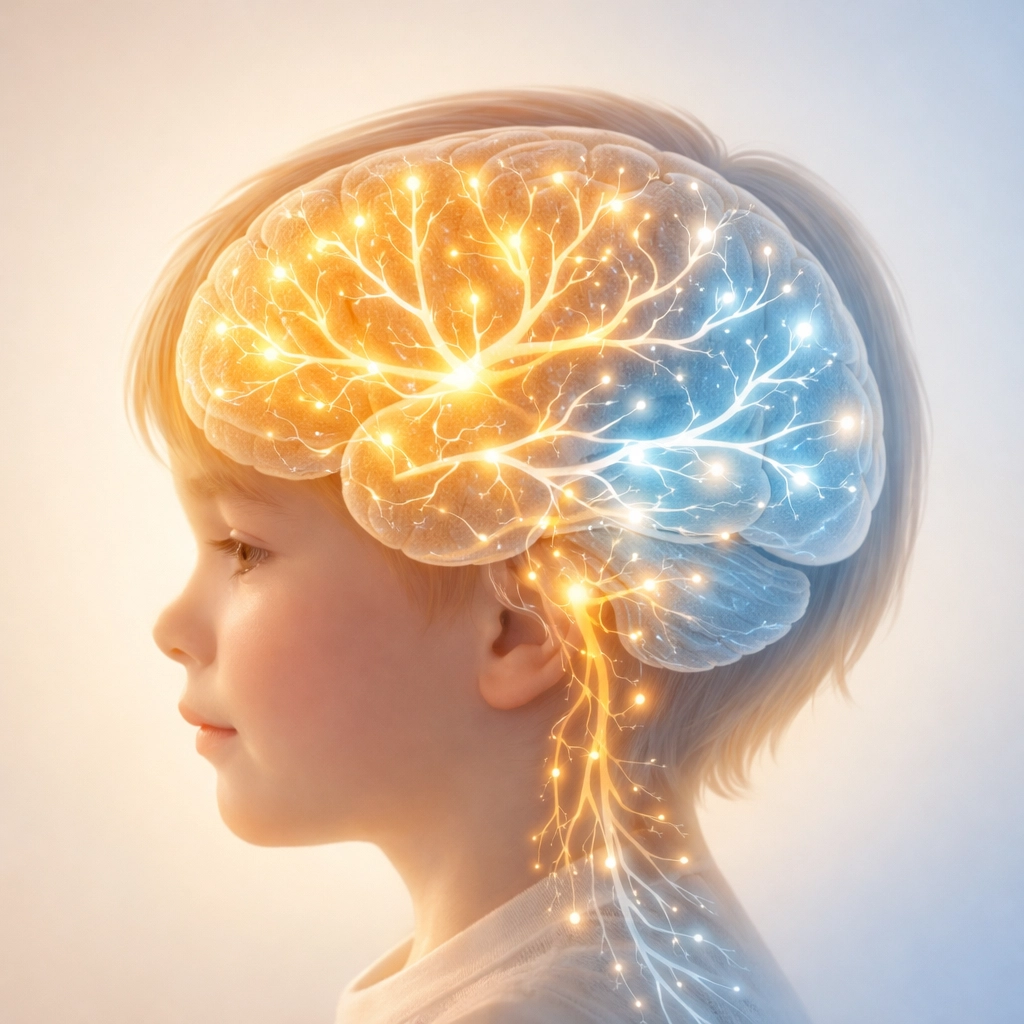
ABM NeuroMovement leverages this natural ability. When a practitioner introduces gentle movement variations, your child's brain begins to:
Perceive differences in sensation, position, and quality of movement
Form new neural pathways that bypass damaged or underdeveloped areas
Organize more efficient patterns of movement, thought, and emotion
Build spontaneous, functional skills rather than memorized routines
This isn't theoretical. Parents consistently report improvements in areas traditional therapy struggled to address: emotional regulation, attention, spontaneous play, problem-solving, and genuine connection.
The Traditional Therapy Trap
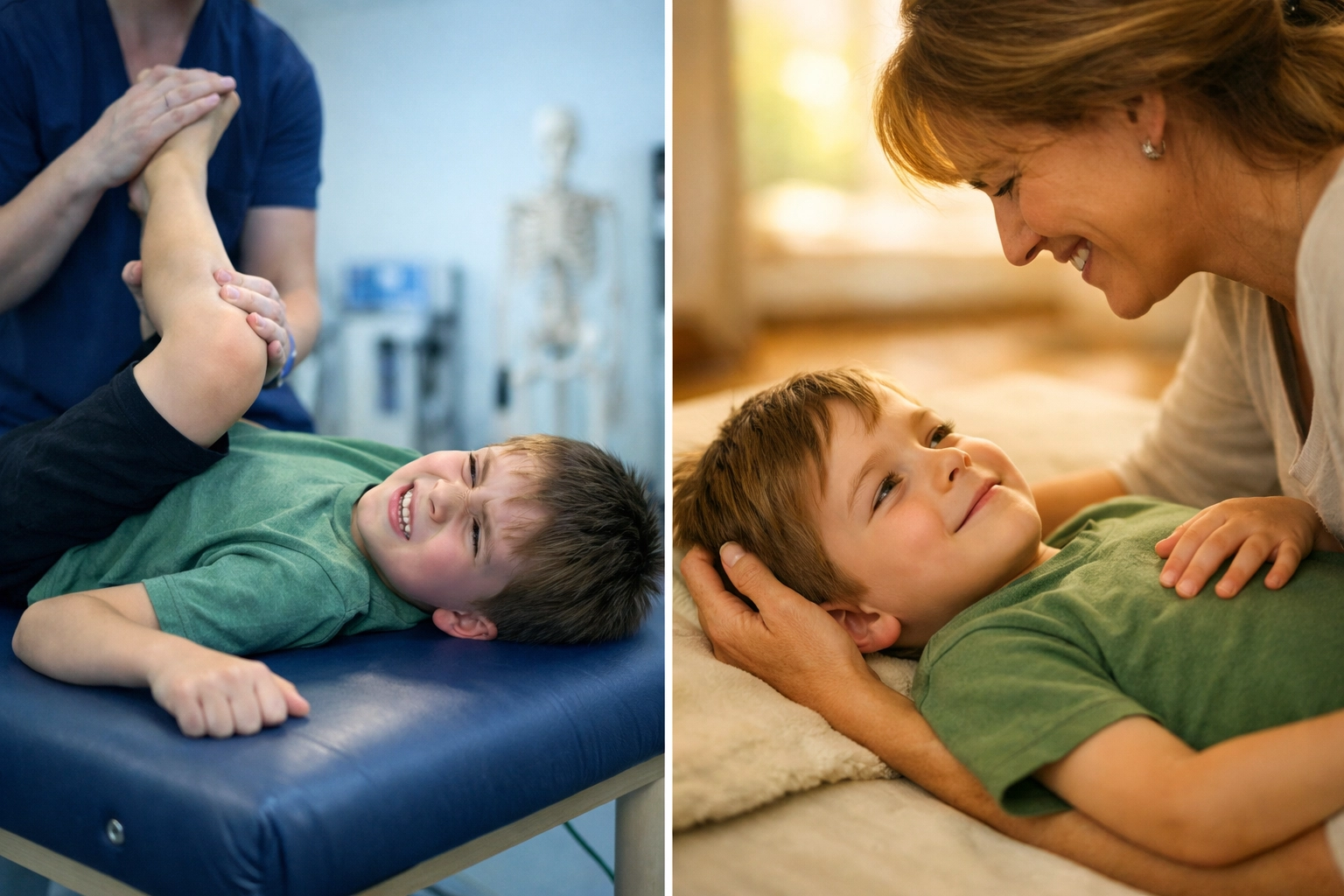
Traditional muscle-based therapies often operate on a "no pain, no gain" mentality. Stretching tight muscles. Strengthening weak ones. Practicing the same movement hundreds of times, hoping repetition creates progress.
This approach can actually work against your child's natural learning process. When therapy feels like a battle, your child's nervous system goes into protection mode. The brain focuses on defending rather than learning. Progress stalls or plateaus.
Moreover, these approaches treat all children with the same diagnosis similarly, following predetermined protocols. But your child isn't a diagnosis: they're a unique individual with their own learning style, challenges, and potential.
How ABM Works in Real Life
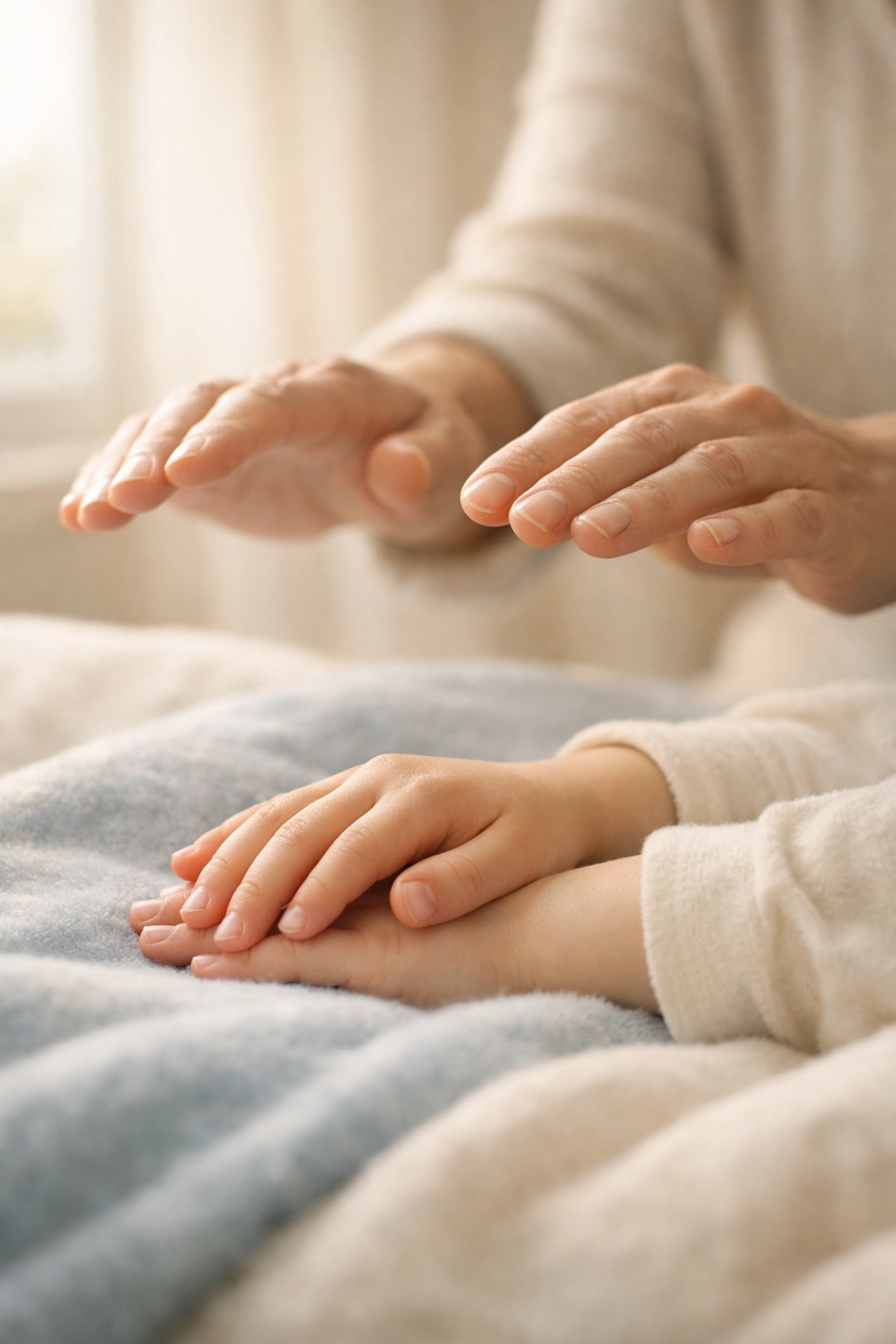
During an ABM NeuroMovement session, your child might lie comfortably on a table while a practitioner gently moves their arms, legs, or head in subtle variations. These aren't exercises: they're invitations for the brain to pay attention and discover new options.
For a child with cerebral palsy who struggles with tight muscles and limited movement, a practitioner might explore tiny movements in the ribs, pelvis, or shoulders: areas that seem unrelated to the tight legs but profoundly influence whole-body organization.
For an autistic child who finds eye contact overwhelming, gentle movements might help the nervous system feel safe enough to experiment with connection in new ways.
For a child with Down syndrome working on sitting balance, the focus might be on helping the brain differentiate between movement in the spine, hips, and head: creating stability through better organization rather than forced strengthening.
The beauty of ABM NeuroMovement is that learning happens naturally, without force or frustration. Children often appear to be simply receiving gentle touch, yet their brains are actively reorganizing in powerful ways.
Benefits Parents Actually Notice
Research into ABM NeuroMovement is still emerging, but thousands of families have experienced tangible improvements. Here's what parents consistently report:
Increased Calm and Self-Regulation: Children become noticeably calmer, less reactive to sensory input, and better able to handle transitions and changes.
Smoother, More Coordinated Movement: Movements that once seemed jerky, effortful, or impossible begin to emerge with ease and fluidity.
Better Attention and Focus: The ability to attend to tasks, people, and environments improves significantly.
Enhanced Communication: Both verbal and non-verbal communication often expands, along with increased desire for connection.
Spontaneous Skill Development: Children begin discovering abilities on their own rather than only demonstrating skills drilled in therapy.

These aren't isolated improvements: they reflect fundamental shifts in how your child's brain organizes information and responds to the world.
Who Benefits from ABM NeuroMovement?
ABM NeuroMovement has shown remarkable benefits for children with:
Cerebral palsy
Autism spectrum disorders
Down syndrome
Genetic disorders
Developmental delays
Stroke or brain injury
Sensory processing challenges
Learning differences
The method is particularly powerful for children who have plateaued in traditional therapy or whose nervous systems respond poorly to intensive, repetitive approaches.
Early intervention provides the quickest results, but children of all ages can experience meaningful improvements. The brain's capacity for learning never disappears: it just needs the right conditions to flourish.
A Different Path Forward
Choosing therapy for special needs children shouldn't mean choosing between progress and your child's wellbeing. ABM NeuroMovement offers a third option: gentle, brain-based learning that honors your child's unique developmental journey while creating real, lasting change.
You've likely tried multiple therapies, invested countless hours, and possibly wondered if you're doing enough. Here's what you need to know: your child's brain is always ready to learn. It just needs the right invitation.
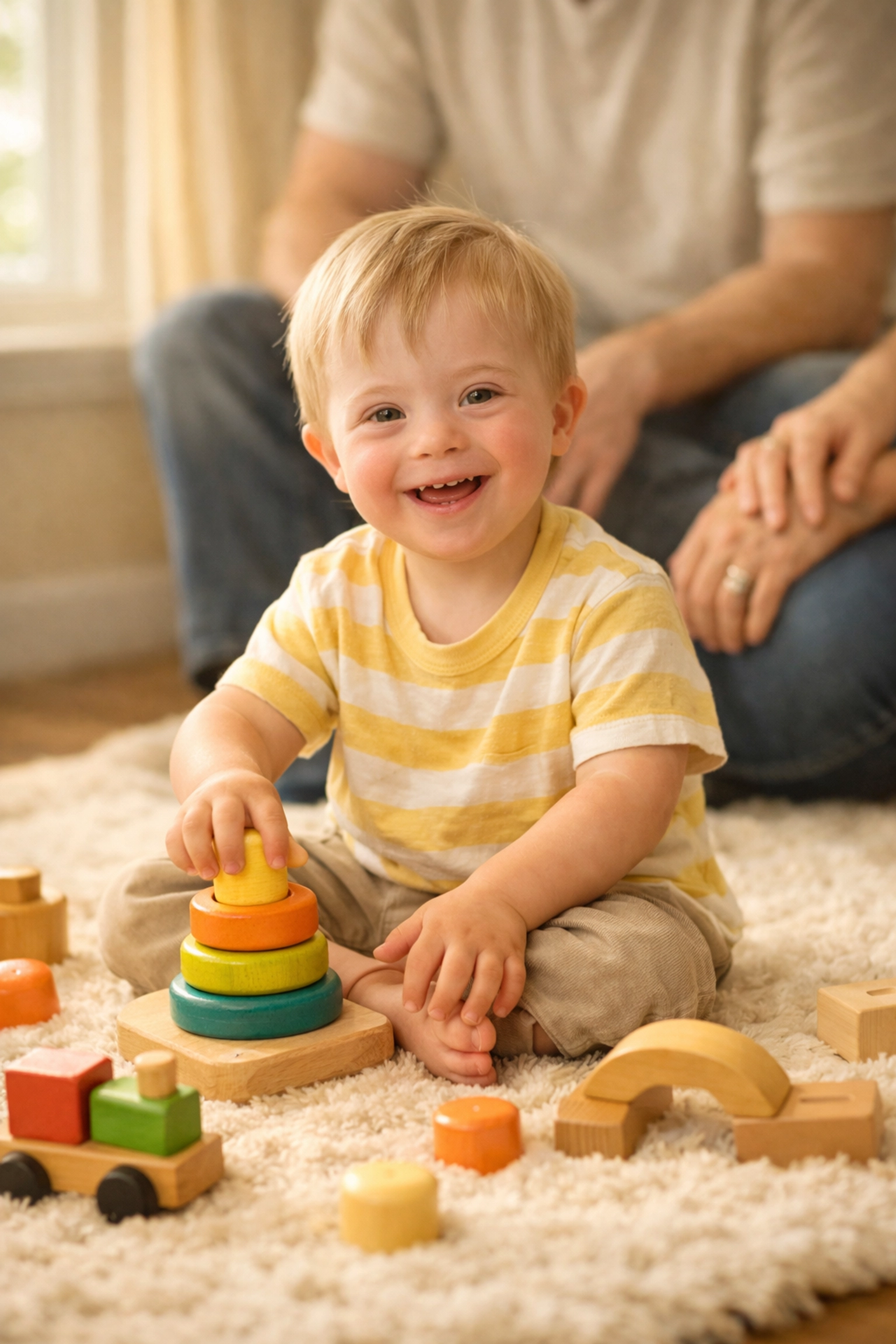
ABM NeuroMovement provides that invitation: through gentle exploration, individualized attention, and deep respect for how brains actually change and grow.
Ready to Experience the Difference?
If you're tired of therapy that feels like a battle, if you're searching for an approach that works with your child's natural learning capacity rather than against their body, ABM NeuroMovement might be exactly what you've been looking for.
Book a free consultation to discuss your child's unique needs and discover how brain-based learning can unlock new possibilities. Or schedule an intensive to experience concentrated sessions that create noticeable shifts.
Your child's potential isn't limited by their diagnosis: it's waiting to be discovered through the right approach. Let's explore that potential together.
Get in touch today and take the first step toward gentle, transformative therapy that truly honors how your child learns.
Comments