
Struggling For Motor Development Progress? 5 NeuroMovement® Breakthroughs Your Special Needs Child Needs
Are you watching your child struggle with motor milestones while traditional therapy approaches feel like you're hitting a wall? Maybe you've been through months of repetitive exercises, countless therapy sessions, and still find yourself wondering why progress feels so slow or inconsistent.
If you're a parent in Montreal: or anywhere: feeling frustrated with your child's motor development journey, you're not alone. Whether your child has autism, cerebral palsy, a genetic disorder, or another neurodivergent condition, the conventional "drill and practice" approach often leaves families feeling stuck.
There's a different path forward. NeuroMovement® offers breakthrough insights that can transform how your child's brain learns movement, creating lasting progress that goes far beyond what traditional therapy typically achieves.
What Makes Motor Development So Challenging?
Most therapeutic approaches focus on getting your child to perform specific movements: sitting, crawling, walking: through repetition and muscle strengthening. But here's what many don't realize: motor skills aren't just about muscles. They're about the brain.
When your child's nervous system hasn't developed the internal organization needed for smooth, coordinated movement, no amount of muscle work will create lasting change. It's like trying to improve a car's performance by polishing the exterior while ignoring the engine.
Breakthrough #1: Your Child's Brain Can Rewire Itself at Any Age
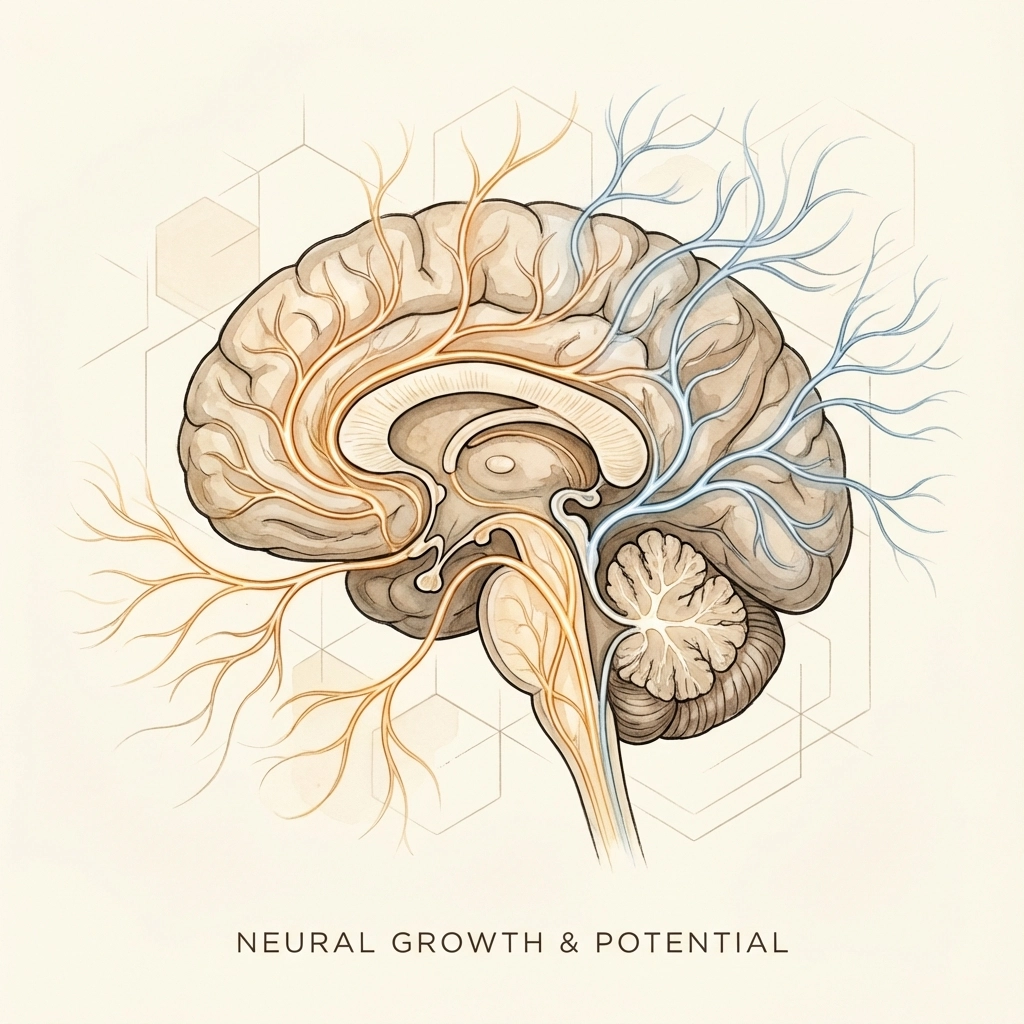
The most revolutionary discovery in neuroscience over the past decades is neuroplasticity: your child's brain's ability to form new neural pathways throughout life. This means the motor challenges your child faces today aren't permanent limitations.
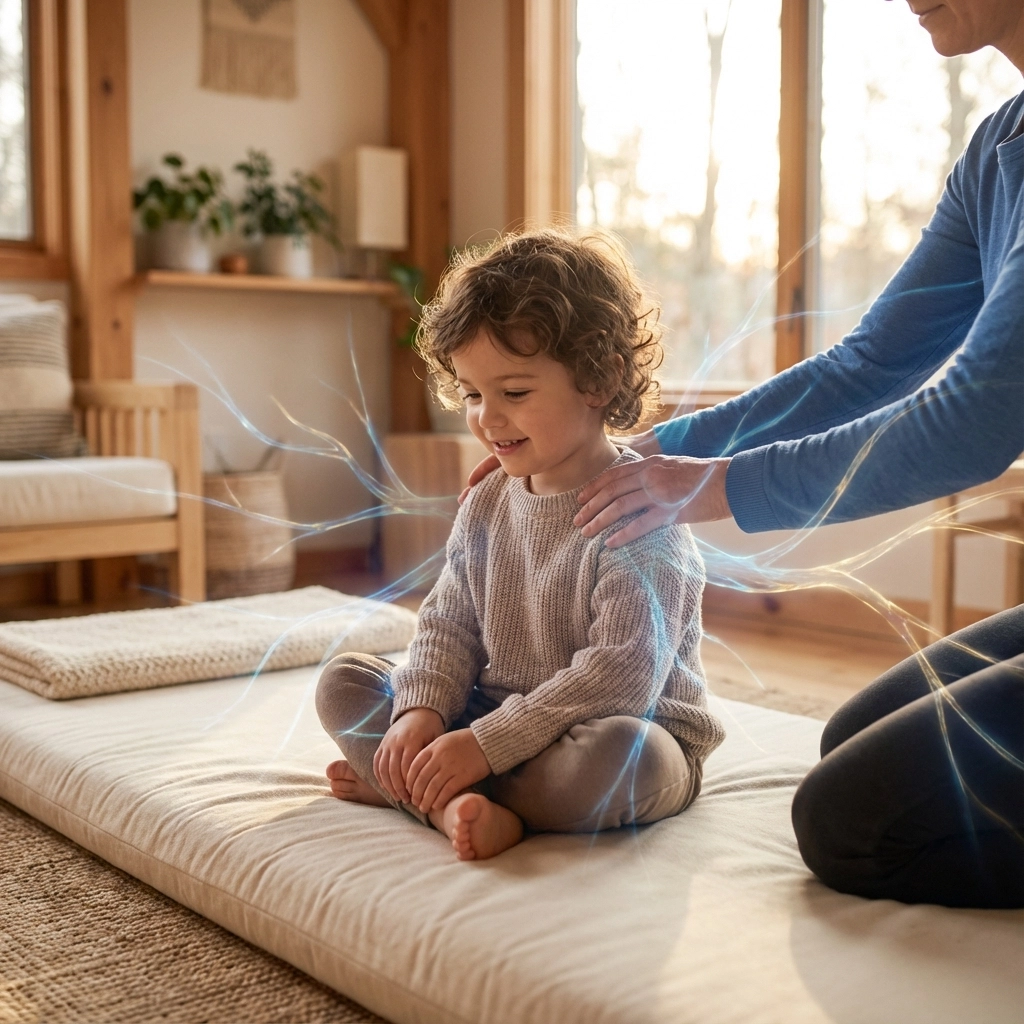
NeuroMovement® harnesses this brain plasticity through gentle, varied movement experiences that help create new neural connections. Instead of accepting current motor patterns as "fixed," we recognize that your child's brain has untapped potential to develop better coordination, balance, and movement control.
What this looks like: Rather than drilling the same movement repeatedly, your child experiences rich, varied movements that give their brain new information to work with. Each gentle exploration helps build stronger neural highways for motor function.
Breakthrough #2: Building the Foundation, Not Just the Skills
Here's where NeuroMovement® differs dramatically from traditional approaches. Instead of trying to teach your child to sit, crawl, or walk through repetitive practice, we focus on building the internal brain organization that makes these skills possible.
Think of it this way: traditional therapy often tries to build the second floor of a house when the foundation isn't solid yet. NeuroMovement® strengthens that foundation first: the sensory awareness, neural connections, and brain organization that naturally lead to improved movement.
What this means for your child: When their brain has better sensory information and stronger organizational patterns, motor skills often emerge more naturally and sustainably. You might notice improvements in areas you weren't even directly working on.
Breakthrough #3: Movement as Your Child's Natural Learning Language
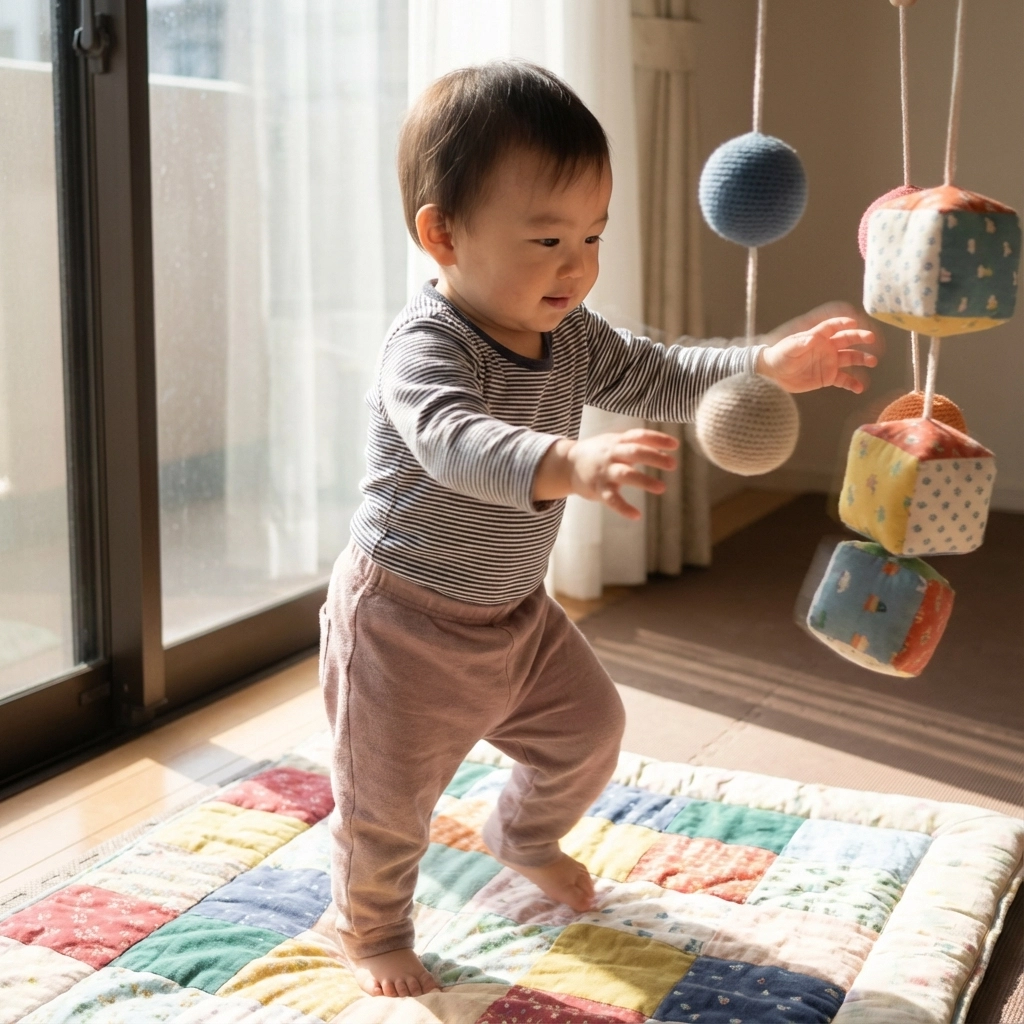
Healthy babies learn through random, exploratory movements that provide rich sensory feedback to their developing brains. Children with motor challenges often have limited movement options, which restricts their brain's access to this critical learning process.
NeuroMovement® reactivates these natural learning pathways through guided, gentle movements that reconnect your child's brain with its innate ability to explore, adapt, and discover new possibilities.
The difference you'll see: Your child becomes more curious about movement, more willing to try new positions, and more confident in their body. They're not just learning specific skills: they're learning how to learn through movement again.
Breakthrough #4: Connecting Intention with Action
One of the most powerful aspects of NeuroMovement® is developing functional patterns that connect what your child wants to do with their ability to do it. This goes beyond isolated exercises targeting individual body parts.
When your child thinks "I want to reach for that toy" and their body responds smoothly and efficiently, that's the brain-body integration we're cultivating. This holistic approach often leads to improvements in communication, emotional regulation, and overall confidence: not just motor skills.
Real-world impact: Parents often report that their child becomes more engaged, communicates more effectively, and shows greater emotional stability as their movement improves. The benefits ripple through every area of development.
Breakthrough #5: Learning Happens Best in Calm, Safe States
Your child's nervous system learns most effectively when it feels safe and regulated. Traditional therapy approaches that push toward specific outcomes or use repetitive drills can actually trigger stress responses that shut down learning.
NeuroMovement® prioritizes your child's comfort and nervous system regulation as essential to breakthrough progress. We work gently, never forcing movements, but instead creating conditions where your child's brain can absorb new information and organize itself more efficiently.
What parents notice: Children often become calmer during and after sessions. They're more willing to explore new movements because there's no pressure to "perform." This relaxed state is actually when the most profound learning happens.
Why Traditional Approaches Often Fall Short
If you've felt frustrated with traditional physical therapy or occupational therapy results, it's not your fault: and it's not your child's fault. Many conventional approaches focus on:
Repetitive drills that can bore or stress children
Strengthening muscles without addressing brain organization
Working on symptoms rather than underlying neural patterns
Setting rigid timelines that don't match natural development
NeuroMovement® takes a different approach entirely, working with your child's nervous system rather than against it.
What to Expect with NeuroMovement®
Progress with NeuroMovement® often looks different from traditional therapy gains. Instead of checking off milestone boxes, you might notice:
Smoother, more coordinated movements overall
Increased curiosity and willingness to explore movement
Better emotional regulation and less frustration
Improvements in sleep, attention, and social engagement
Skills emerging naturally rather than through drilling
Remember, every child's journey is unique. Some families see changes within a few sessions, while others notice gradual improvements over time. The key is that changes tend to be lasting because they come from improved brain organization, not just trained movements.
Taking the Next Step
If you're ready to explore a gentler, more effective approach to your child's motor development, you don't have to navigate this alone. Understanding how NeuroMovement® could specifically benefit your child starts with a conversation about their unique needs and challenges.
Many Montreal families have discovered that what seemed like insurmountable motor challenges were actually opportunities for breakthrough progress when approached through the lens of brain plasticity and gentle movement exploration.
Your child's potential for growth is greater than you might imagine. Their brain is designed to learn, adapt, and create new possibilities: even if traditional approaches haven't unlocked that potential yet.
Ready to explore what's possible for your child? Book a free consultation call to discuss your child's specific needs and learn how NeuroMovement® could support their motor development journey. During this call, we'll explore your child's current challenges, answer your questions about our approach, and help you determine if NeuroMovement® is the right fit for your family.
Book your free consultation call today and take the first step toward unlocking your child's motor development potential through the power of gentle, brain-based movement.
Comments