
Is your CHild Not Walking yet? Here's what to do

Updated: Feb 17
If you're watching other children your child's age walk confidently while your little one is still working toward this milestone, you're not alone. Many parents of children with special needs find themselves asking: "When will my child walk?" or "What can I do to help?"
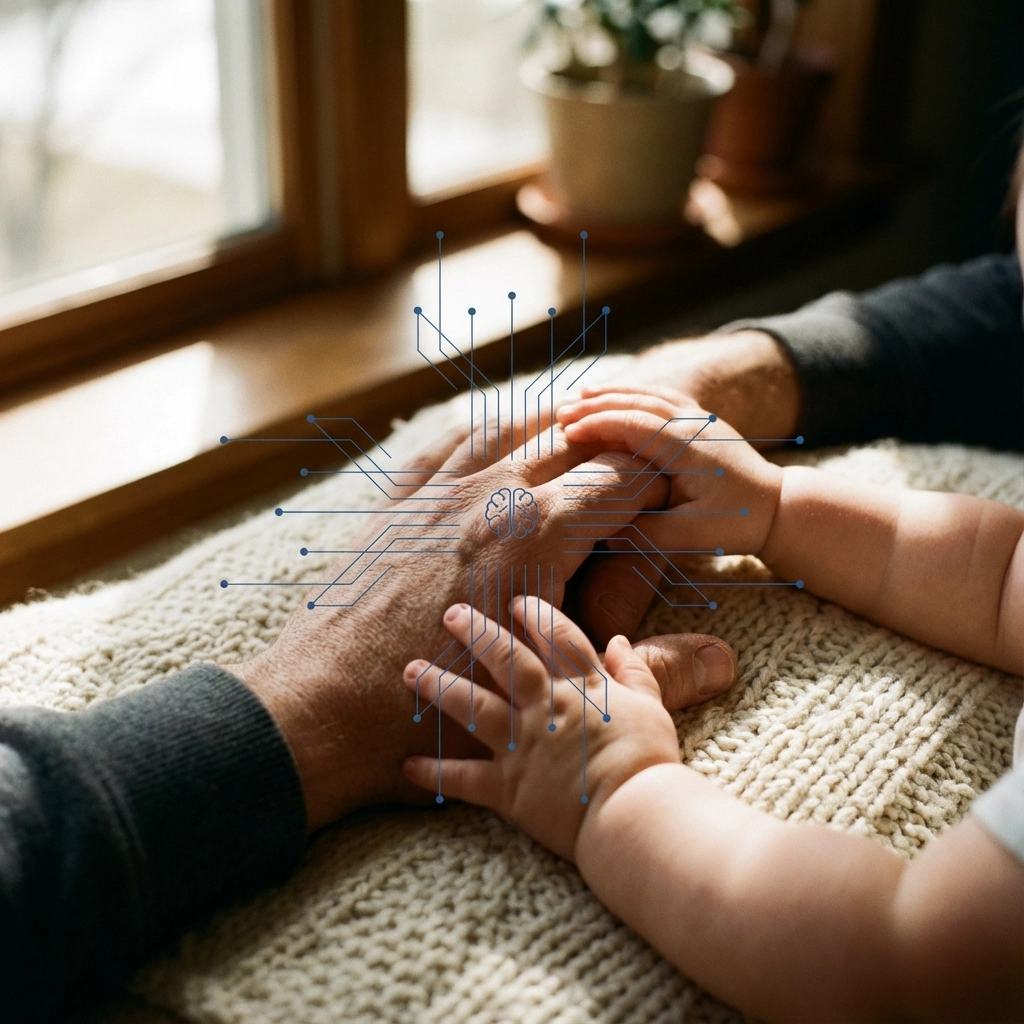
The journey to walking is more complex than it appears: and far more fascinating than most people realize. Walking isn't simply about building leg muscles or practicing steps. It's actually about brain organization. Your child's brain needs to create intricate neural pathways that coordinate balance, weight transfer, spatial awareness, and movement sequencing all at once.
Understanding this can change everything about how you support your child's development.
Walking Is Brain Organization, Not Just Muscle Development
When we see a toddler take their first steps, we're witnessing an incredible feat of brain coordination. The ability to stand upright and walk requires the nervous system to integrate information from multiple sources: the inner ear for balance, the eyes for spatial orientation, sensory feedback from the feet and legs, and complex motor planning from the brain.
Recent neuroscience research shows that walking activates multiple interconnected brain networks working together in sequence. At 12 months, stronger connections between the brain's motor and default-mode networks are associated with better walking and gross motor skills. By 24 months, additional brain networks linked to attention and task control become engaged in walking.
For children with special needs, these neural connections may develop differently or more slowly. This is where NeuroMovement becomes invaluable: it helps create the brain organization necessary for walking through gentle, systematic movement experiences.
The Three Essential Elements Your Child's Brain Needs for Walking
1. Learning to Carry the Weight of the Head
Your child's head represents about 25% of their total body weight: that's like carrying a bowling ball on top of their spine! Before a child can walk, their brain must learn to organize the entire body around supporting this weight while maintaining balance.
This isn't about neck strength alone. It's about the brain creating a sophisticated map of how all the muscles throughout the body work together to keep the head stable and balanced over the pelvis while moving.
Children with special needs often struggle with this foundational element. You might notice your child having difficulty with head control, or seeming "floppy" through their trunk. Their brain simply needs more time and the right kind of experiences to develop this essential organization.
2. Mastering Weight Transfer Through the Bones
Walking is essentially a controlled falling motion where we transfer our weight from one leg to the other. This requires the brain to understand how to channel force through the skeletal system rather than relying solely on muscle effort.
Think about it: when you stand, your bones stack efficiently to support your weight with minimal muscular effort. When you walk, your brain orchestrates a complex dance of weight shifting, where each leg alternately becomes a stable pillar and then a dynamic mover.
For children with neurological differences, this bone-to-bone weight transfer often remains underdeveloped. They may compensate by gripping with muscles, creating tension and inefficient movement patterns. Their brain needs to discover how to use the skeleton as the primary support system.
3. Developing Intermediate Movement Steps
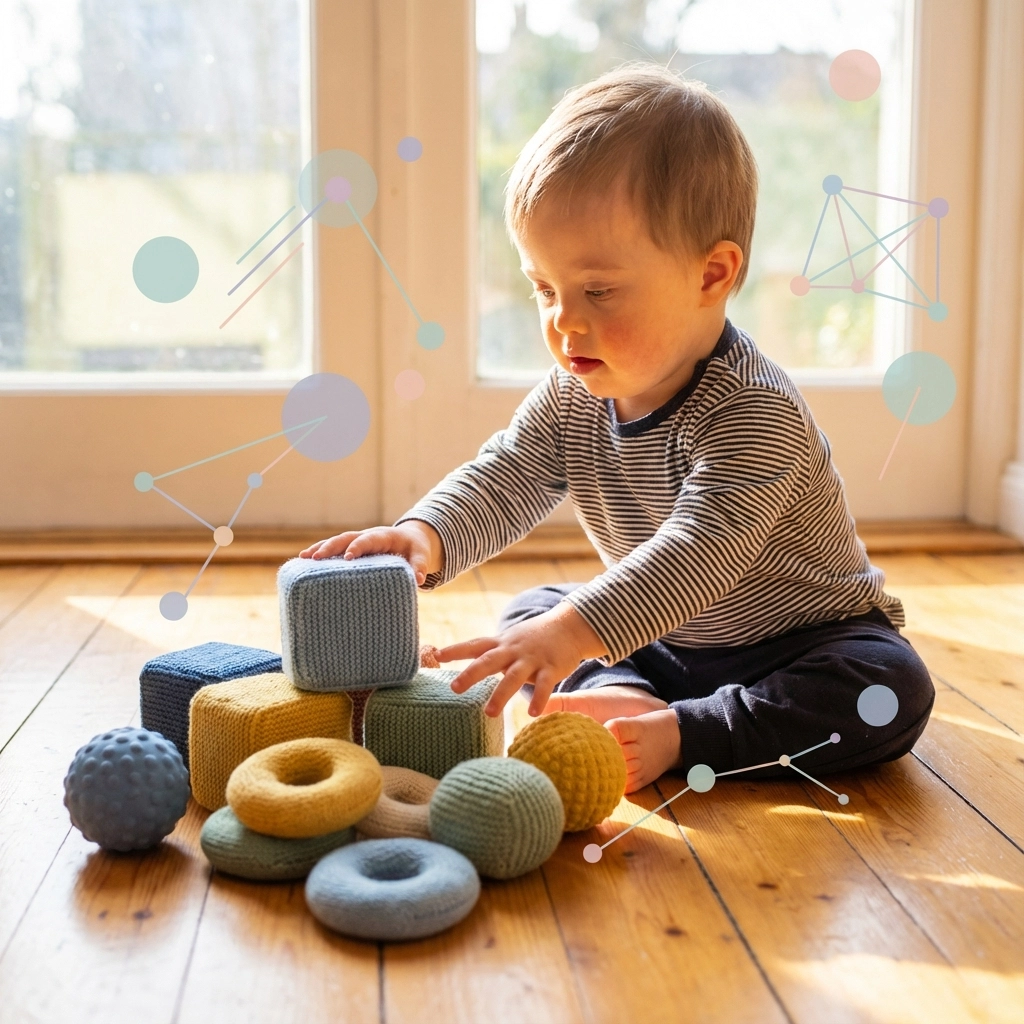
Walking doesn't happen overnight: it emerges through a series of developmental building blocks. Rolling, sitting, crawling, pulling to stand, cruising along furniture, standing independently, and finally walking all contribute essential information to your child's developing movement repertoire.
Each of these stages teaches the brain something unique about balance, coordination, spatial relationships, and motor planning. Children with special needs may skip steps or spend extended time in one phase, and that's perfectly okay. Their brain is taking the time it needs to thoroughly integrate each layer of learning.
Three things to do if your child is not walking yet
Practice 1: Slow, Gentle Head and Neck Movements
What to do: When your child is lying on their back or sitting comfortably, place your hands gently on either side of their head. Very slowly and softly, move their head in tiny circles, side to side, and up and down movements. Pay attention to any areas where movement feels restricted and spend extra time there with even gentler, smaller movements.
Why it works: This helps your child's brain develop better organization around carrying the weight of their head. The slow, gentle movements create new neural pathways without triggering protective muscle responses.
Key tip: Move much slower than you think necessary. Speed bypasses the brain's ability to learn. When you move slowly, you're giving your child's nervous system time to perceive and integrate new information.
Practice 2: Supported Weight-Bearing with Variation
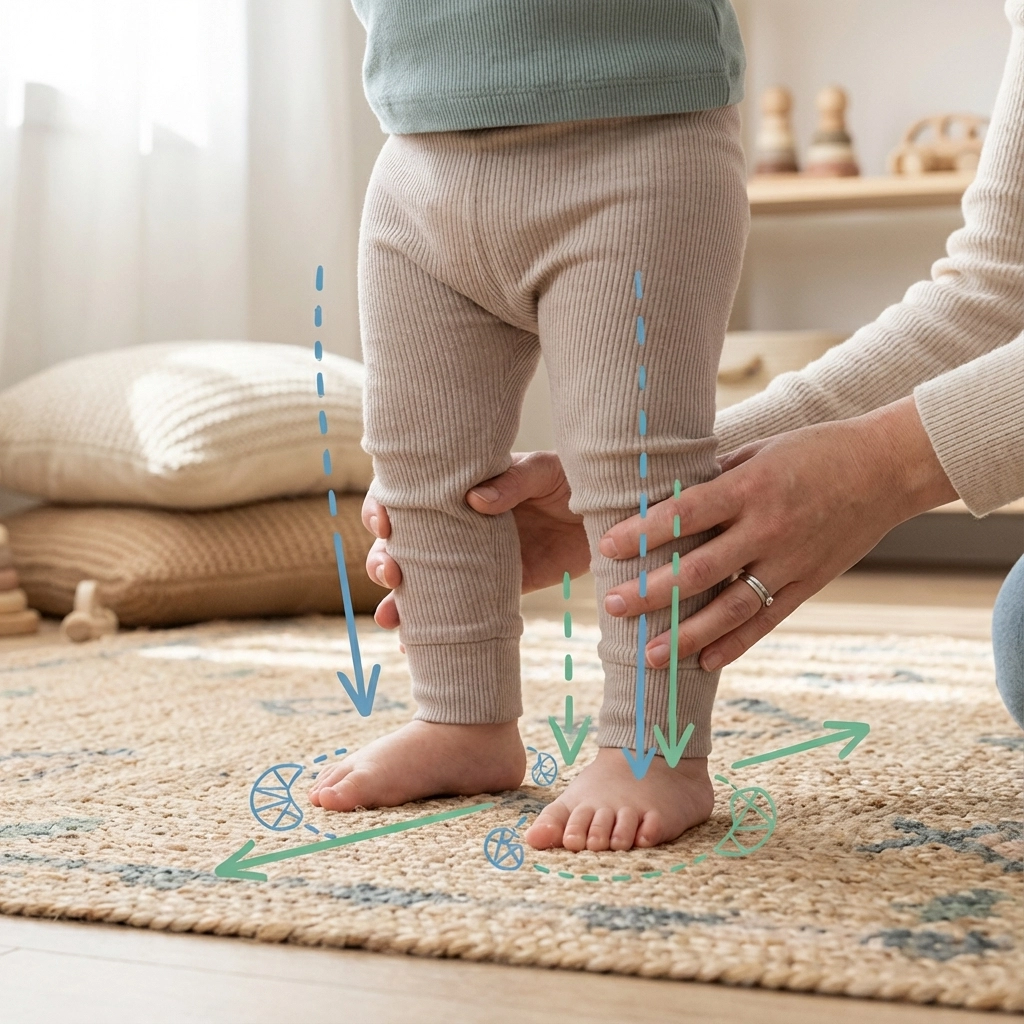
What to do: Support your child in standing while they bear some weight through their legs. Instead of keeping them rigidly upright, introduce tiny variations: gentle swaying side to side, small weight shifts forward and back, or slight rotations. Let their feet feel different textures: carpet, hardwood, grass, or a textured mat.
Why it works: These variations help your child's brain learn how to organize around weight-bearing in multiple ways. This builds the neural flexibility needed for dynamic balance during walking.
Key tip: Follow your child's responses. If they stiffen up, reduce the movement or support them differently. The goal is pleasant exploration, not force.
Practice 3: Floor Movement Exploration
What to do: Spend time with your child on the floor exploring rolling, reaching, and transitional movements. Help them reach for toys placed at different angles, assist them in rolling from back to side to belly, and support them in getting in and out of sitting. Make it playful and follow their interests.
Why it works: Floor movement builds the foundational patterns that walking emerges from. Every reach, every roll, every transition teaches your child's brain about spatial relationships, weight transfer, and motor sequencing.
Key tip: Don't worry about "perfect" movement patterns. Variation and exploration are more valuable than repetition of the same movement. Let your child's curiosity guide the session.
Understanding Your Child's Unique Timeline
Every child's path to walking is different, especially children with special needs. Some children walk at 18 months, others at 3 years or later. What matters most is that your child's brain continues to develop and organize through rich movement experiences.
The beauty of NeuroMovement is that it works with your child's brain rather than against it. Instead of forcing movements or pushing through limitations, NeuroMovement creates conditions for organic learning and development to unfold.
You might notice changes in unexpected areas first: improved attention, better sleep, less fussiness, or increased curiosity about their environment. These are all signs that your child's nervous system is developing better organization, which ultimately supports all learning, including walking.
Supporting Your Child's Journey with Patience and Wonder
Remember that your child's brain is incredibly plastic and capable of creating new neural pathways throughout their life. Each gentle movement experience, each moment of exploration, each patient practice session contributes to their developing organization.
Some days progress might feel slow or invisible. Other days you might notice sudden improvements that seem to come out of nowhere. Both experiences are normal and part of the learning process.
Your role as a parent isn't to be a therapist: it's to provide loving support, create rich movement opportunities, and trust in your child's innate capacity to learn and grow. When you approach your child's development with curiosity rather than worry, you create the emotional environment where learning thrives.
The path to walking is a journey of neural organization that unfolds in its own time. By understanding what your child's brain truly needs and supporting that development through gentle NeuroMovement practices, you're giving them the best foundation for not just walking, but for all future learning and development.
Ready to learn more about how NeuroMovement can support your child's development? Book a free consultation call with our team to discuss your child's unique needs and discover personalized strategies for supporting their growth. We're here to help you navigate this journey with confidence and hope.
Comments