
How NeuroMovement® Supports Kids with Autism: Connection, Empathy, and Brain-Body Learning
Are you a parent watching your autistic child struggle, wondering if there's a gentler path forward? If traditional therapies feel too rigid, too focused on "fixing" or 'correcting' your child, you're not alone. Many families in Montreal and beyond are discovering NeuroMovement®: an approach that honors your child exactly as they are while unlocking incredible potential.
From Fixing to Connecting: A Revolutionary Shift
Traditional autism interventions often focus on correcting behaviors, teaching compliance, or pushing children toward "typical" responses. But what if we've been looking at this backwards?
Recent groundbreaking research by Anat Baniel, Neil Sharpe, and Eilat Almagor reveals a profound truth: connection, not correction, creates lasting change. Their study, published in Frontiers in Integrative Neuroscience, shows that when we shift from "fixing" to "connecting," we open doorways to organic learning that feels natural and joyful for both child and parent.
Connection means truly seeing your child's inner world: their motivations, intentions, and unique way of experiencing life. Instead of imposing external goals, NeuroMovement® practitioners develop the ability to perceive and feel what your child is experiencing, moment by moment.
This isn't just therapeutic philosophy. It's backed by neuroscience and the brain's remarkable capacity for change at any age.
Movement: The Hidden Key to Autism Support
Here's something that might surprise you: 87% of children with autism have significant movement challenges. Yet movement differences are rarely addressed as central to autism support: they're often seen as side issues.
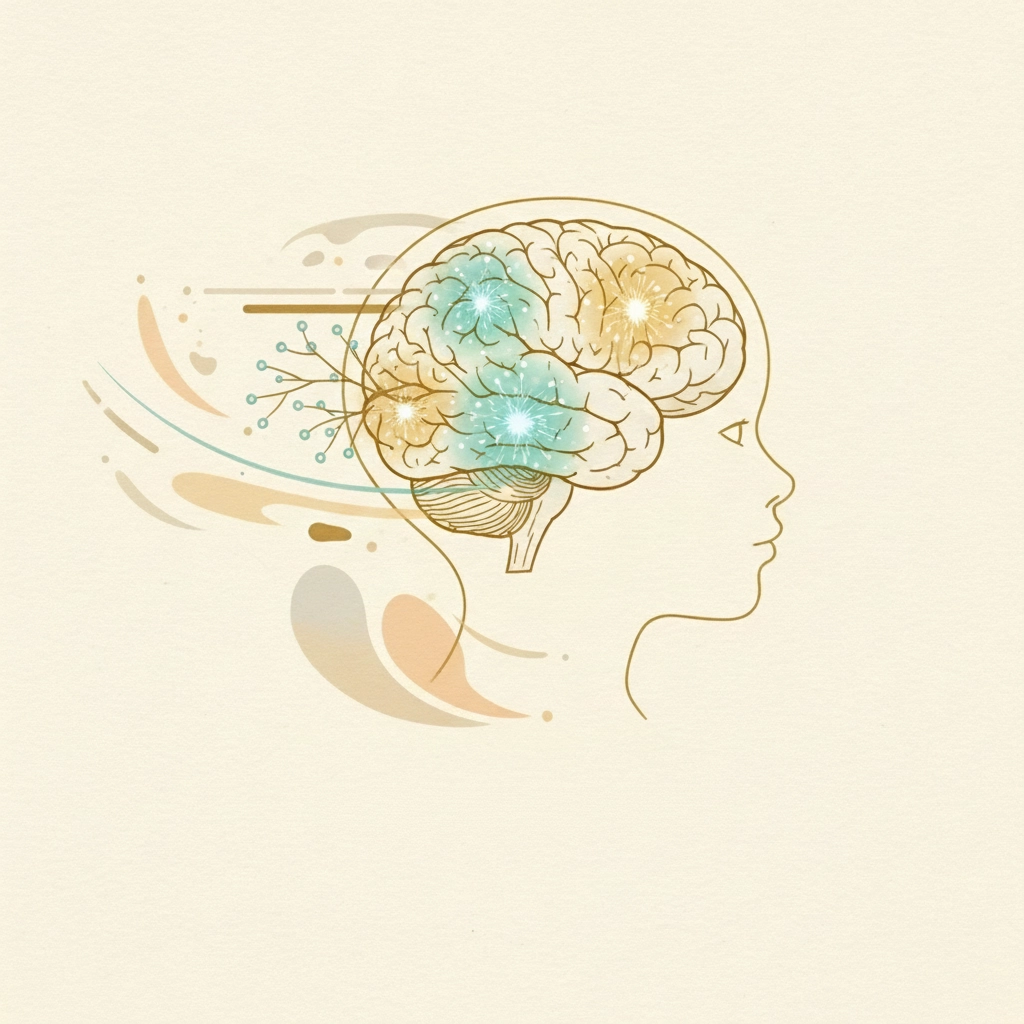
NeuroMovement® recognizes that movement is actually a primary language of the nervous system. Your child's unique movement patterns aren't problems to solve: they're communications from their brain, offering clues about how they organize their world.
When we learn to "speak" this movement language, incredible things happen:
Enhanced sensory processing helps your child feel more comfortable in their body
Improved emotional regulation reduces meltdowns and overwhelm
Greater motor coordination supports daily living skills
Increased social availability as stress decreases and confidence grows
The NeuroMovement® Difference: Following Your Child's Lead
Imagine a therapy session where your child isn't being asked to perform or comply. Instead, a skilled practitioner joins them in their world, creating what researchers describe as a "dance-like process" of mutual exploration.
Here's how it works:
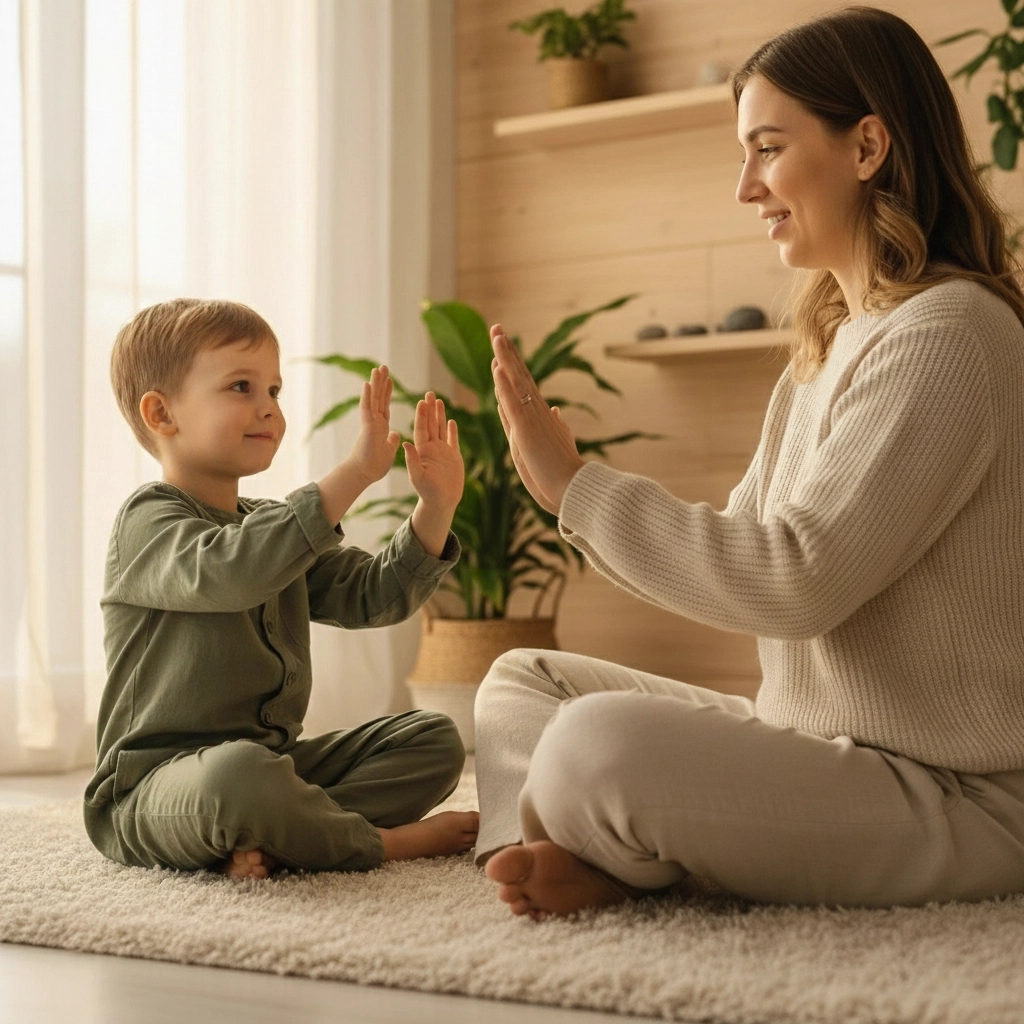
Step 1: The practitioner becomes the follower. They observe your child's natural movements and rhythms, joining them rather than directing them. This creates safety and trust.
Step 2: Gentle variations are introduced. Once connection is established, the practitioner introduces tiny, pleasurable variations of what your child is already doing. These feel like natural explorations, not imposed exercises.
Step 3: The brain recognizes new possibilities. Through these subtle variations, your child's nervous system perceives new options. This is where organic learning happens: not through force, but through curiosity and discovery.
Practical Takeaways for Parents
You don't need to be a trained practitioner to apply NeuroMovement® principles at home. Here are gentle ways to support your child's development:
Slow Down and Tune In
Follow your child's pace instead of rushing them
Notice their natural rhythms and honor them
When they're engaged in repetitive movements (stimming), try joining them rather than redirecting
Introduce Tiny Variations
If your child likes spinning, try spinning in different directions or at different speeds
During daily routines, make small, playful changes that feel like games
Let curiosity guide you: what happens if we do this just a little differently?
Focus on Pleasure and Success
Celebrate every small discovery your child makes
If something isn't working, back off and try again later
Remember: stressed brains don't learn well. Relaxed, curious brains are learning machines.
Trust the Process
Development doesn't happen in straight lines
Sometimes children need time to integrate new experiences before showing progress
Your child's unique pace is the right pace for them
Montreal Families: You're Not Alone
Here in Montreal, families seeking holistic autism support often feel isolated. Between long waitlists for traditional services and limited options that truly respect neurodiversity, parents can feel overwhelmed.
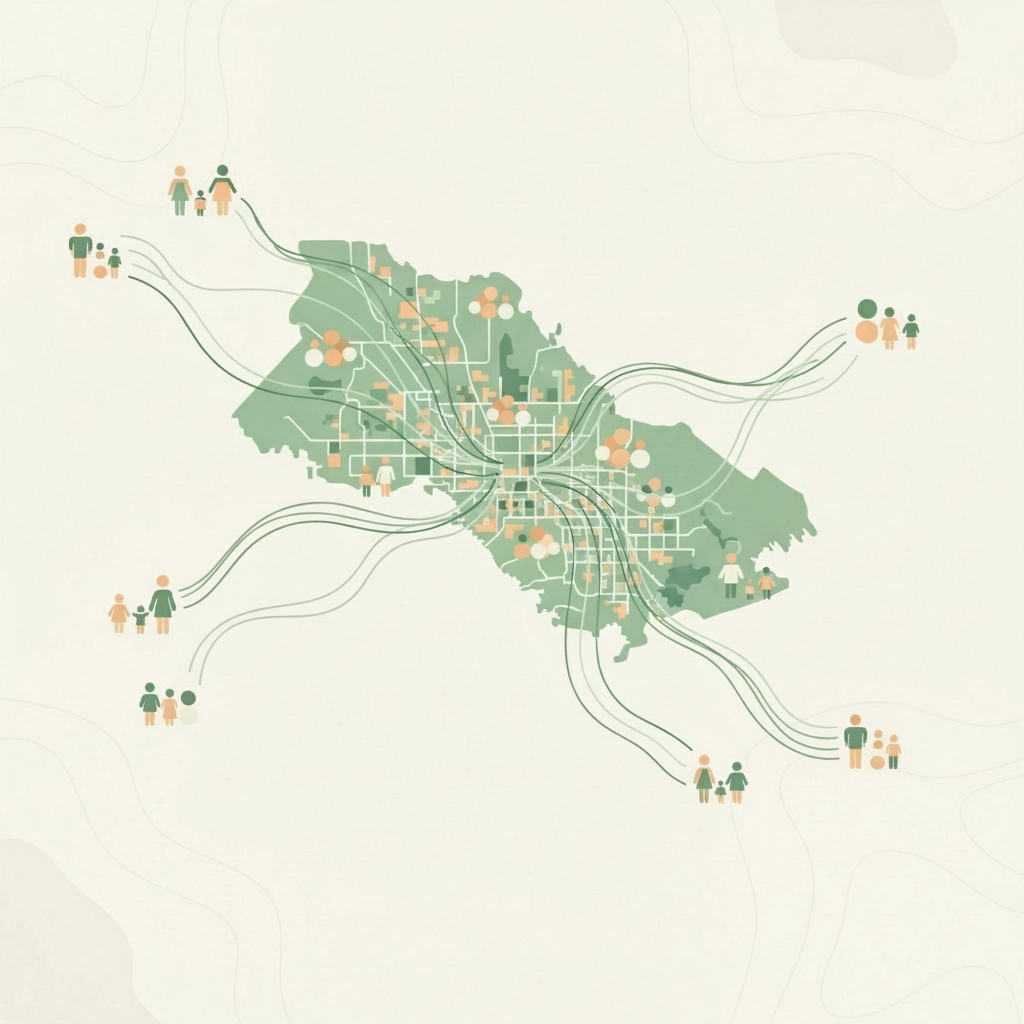
The good news? You're part of a growing community of families discovering brain-based approaches that honor your child's individuality. Whether you're in Westmount, the Plateau, or Laval, NeuroMovement® practitioners are working with local families to create transformation that feels organic and sustainable.
Many Montreal parents report that NeuroMovement® complements other therapies beautifully: it doesn't replace what's working, but often enhances everything else your child is doing.
The Science of Hope
What makes NeuroMovement® so effective? Neuroplasticity: your child's brain's incredible ability to form new connections throughout life. When we provide the right conditions (safety, curiosity, gentle challenge), the nervous system naturally organizes toward greater complexity and capability.
This isn't about pushing your child toward "normal." It's about helping them become the fullest expression of who they already are.
Recent research shows that when children experience connection before direction, their brains become more available for learning. Stress hormones decrease, attention improves, and that beautiful natural curiosity that every child possesses can finally emerge.
Your Child's Potential is Waiting
Every day, families discover that their child: who may have been labeled as "severe" or "low-functioning": carries tremendous potential that traditional approaches couldn't access.
The beauty of NeuroMovement® is its gentleness. There's no forcing, no compliance training, no overwhelming schedules. Just skilled practitioners meeting your child where they are and helping them discover where they want to go.
Your child doesn't need to be fixed. They need to be seen, understood, and given opportunities to unfold naturally. When that happens, the results often surprise everyone: including seasoned practitioners who've seen hundreds of children blossom.
Don't lose hope. Your intuition that there's a gentler way forward is absolutely right.
Ready to explore how NeuroMovement® could support your family? We understand that finding the right approach for your child can feel overwhelming. That's why we offer free consultation calls where you can ask questions, share your concerns, and learn more about how this gentle method might fit into your child's journey.
Book your free 20-minute call today and discover a path that honors both your child's uniqueness and their incredible potential for growth.
Reference: Baniel, A., Sharpe, N., & Almagor, E. (2025). From fixing to connecting: developing mutual empathy guided through movement as a novel path for the discovery of better outcomes in autism. Frontiers in Integrative Neuroscience.Read the full study
Comments