
Building Brighter Brains: A Parent’s Guide to Neuroplasticity and Child Development

Are you wondering why your child with special needs seems to learn differently? Or maybe you've heard therapists mention "neuroplasticity" and wondered what it actually means for your family's daily life?
Here's something that might surprise you: development, learning, and neuroplasticity aren't three separate things happening in your child's brain: they're the same process, just viewed from different angles. Understanding this connection can transform how you support your child's growth at home.
The Beautiful Truth About Your Child's Brain
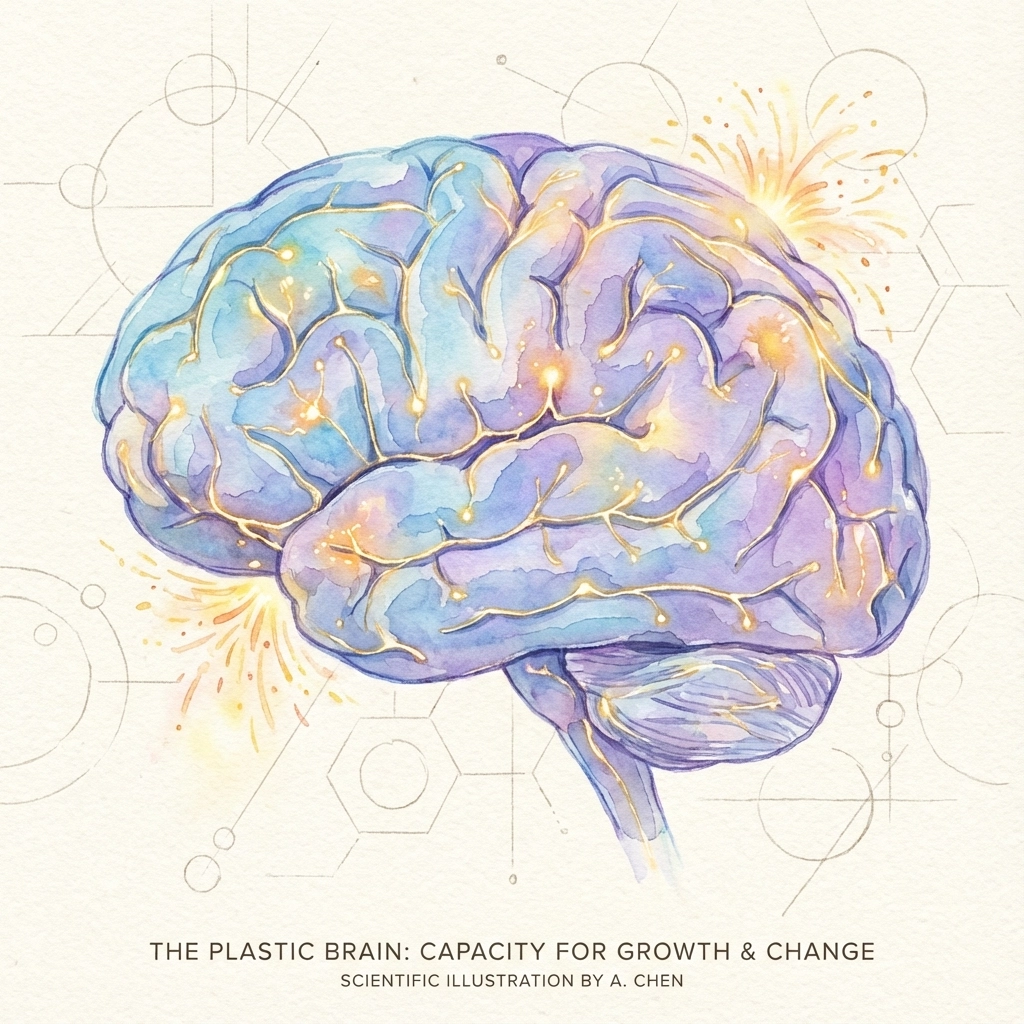
Let's start with the basics. Neuroplasticity is simply your child's brain's incredible ability to form new neural connections and reorganize existing ones throughout their entire life. Think of it as your child's brain constantly rewiring itself, creating new pathways based on experiences, practice, and learning.
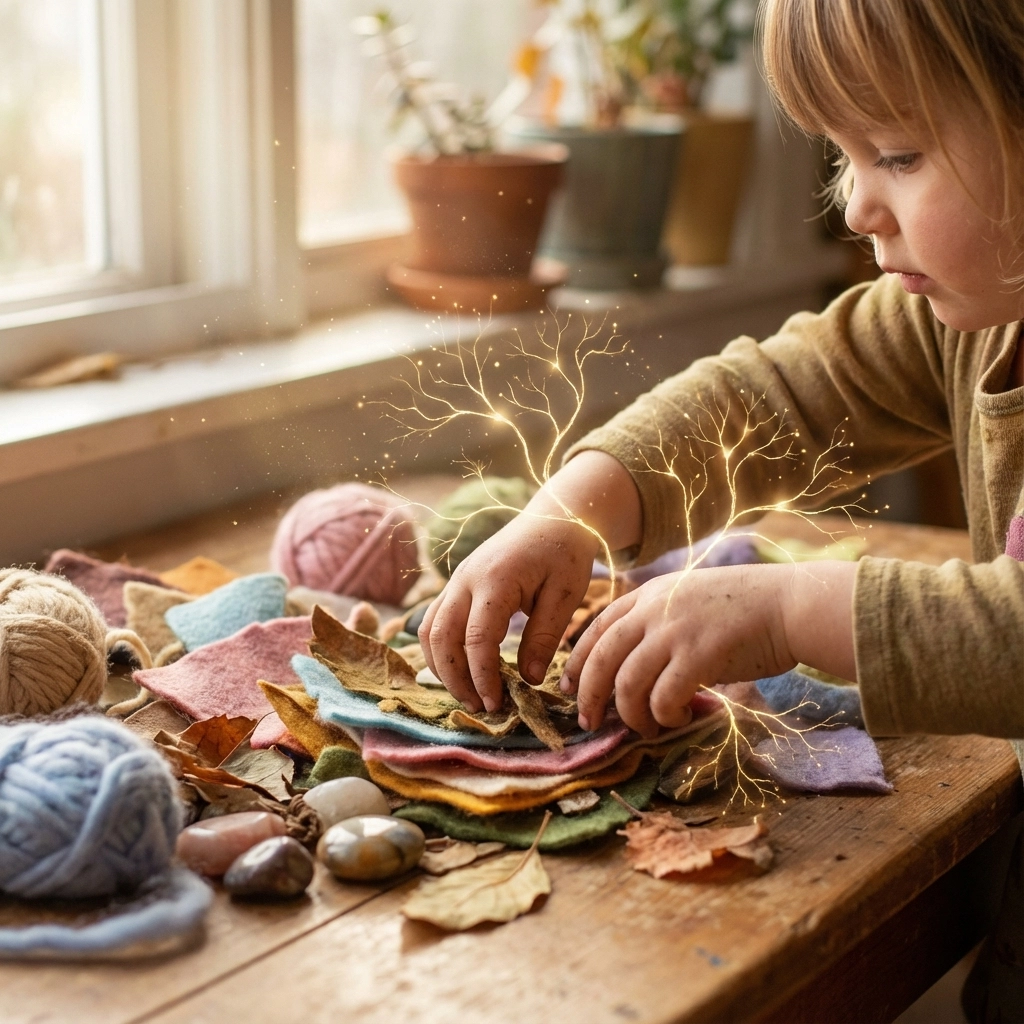
When your child experiences something for the first time: whether it's reaching for a toy, hearing a new word, or feeling a different texture: their brain forms a strong neural connection. Each time they repeat that experience, the connection gets stronger and more efficient. Meanwhile, connections that aren't used gradually fade away, making room for more important pathways.
This means every moment of learning is literally changing your child's brain structure. And here's the hopeful part: this process continues throughout life, not just in early childhood.
Why Development Equals Learning Equals Neuroplasticity
For children with special needs, understanding this connection is crucial. Traditional approaches often focus on what's "wrong" or what needs to be "fixed." But when you understand that development, learning, and neuroplasticity are all the same process, you realize that your child's brain is constantly growing, changing, and improving when properly nurtured and challenged.
Development is the unfolding of your child's abilities over time. Learning is how your child acquires new skills, knowledge, and ways of moving through the world. Neuroplasticity is the biological mechanism that makes both development and learning possible.
This isn't just theory: it's practical hope. When you see your child struggling with motor skills, communication, or sensory processing, you're not looking at permanent limitations. You're seeing a brain that needs the right kind of support to create new, more effective neural pathways.
What Affects Your Child's Neuroplasticity?
Understanding what influences neuroplasticity gives you powerful tools as a parent. Research shows several key factors that either enhance or hinder your child's brain's ability to form new connections:
Movement and Attention
Movement with attention is perhaps the most powerful catalyst for neuroplasticity. When your child moves while paying attention to what they're feeling, seeing, or experiencing, their brain starts building billions of new connections. This is why NeuroMovement emphasizes slow, mindful movement rather than repetitive exercises.
Variation and Novelty
Your child's brain thrives on variation. Introducing small changes: different positions, speeds, or approaches: creates new possibilities in movement, thinking, and behavior. Traditional therapy often focuses on repetition of the "right" way, but variation actually teaches the brain to be more flexible and creative.
The Power of Slow
When your child moves or learns slowly, they give their brain time to perceive subtle differences and form rich new neural patterns. Fast movements can only access what the brain already knows. Slow movements open doors to learning.
Emotional Environment
A child's emotional state dramatically affects neuroplasticity. Stress, fear, and pressure can actually shut down learning. When your child feels safe, curious, and engaged, their brain is primed for growth. This is why force and struggle often backfire in therapy settings.
Sleep and Rest
Quality sleep is when your child's brain consolidates learning. During sleep, the brain strengthens important connections and clears away unnecessary ones. For children with special needs, prioritizing good sleep habits directly supports their developmental progress.
How NeuroMovement Enhances Neuroplasticity
NeuroMovement works with your child's natural neuroplasticity rather than against it. Here's how:
Gentle, Mindful Movement: Instead of forcing specific movements, NeuroMovement helps your child discover new movement patterns through gentle exploration. This activates the learning centers of the brain rather than just exercising muscles.
Working with Attention: NeuroMovement teaches your child to pay attention to their internal experience: what they feel as they move. This attention is what drives neuroplastic change.
Embracing Mistakes and Variations: In NeuroMovement, there are no "wrong" movements, only opportunities for the brain to learn and create new possibilities.
Five Ways You Can Support Your Child's Neuroplasticity at Home
1. Slow Down Together
When helping your child with any task: getting dressed, eating, playing: slow down. Give their brain time to notice what's happening. Ask gentle questions like "What do you feel when you move your arm this way?" or "Notice how that feels different."
2. Celebrate Small Variations
Instead of insisting on one "correct" way to do things, introduce small variations. If your child is working on reaching for objects, try different heights, distances, or positions. Each variation gives their brain new information to work with.
3. Focus on Comfort and Curiosity
Create an environment where your child feels safe to explore and make "mistakes." When they're comfortable and curious, their brain is in the optimal state for learning. Avoid pressure and timelines: trust the process.
4. Use Gentle Touch and Movement
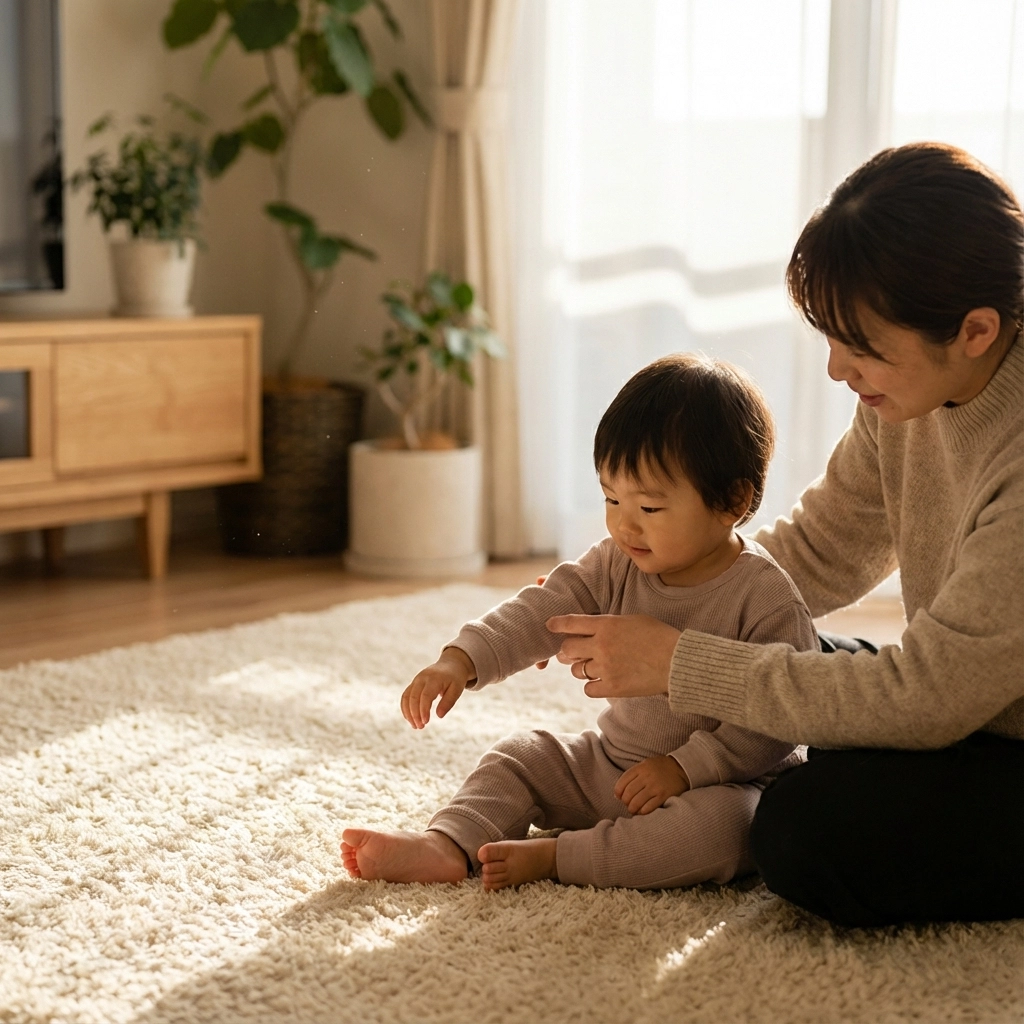
Incorporate slow, gentle movements into your daily routine. This might be slowly moving your child's arm while they're lying down, or helping them explore different positions while playing. The key is attention and gentleness.
5. Trust the Non-Linear Process
Development isn't a straight line, especially for children with special needs. Your child might seem to regress before making a leap forward, or develop skills in an unexpected order. This is normal and healthy neuroplastic change.
The Science Behind Hope
Recent research in educational neuroscience confirms what NeuroMovement practitioners have observed for years: the brain's capacity for change is far greater than previously thought. Children with cerebral palsy, autism, genetic disorders, and other conditions can develop new abilities throughout their lives when given the right support.
This doesn't mean every child will achieve the same outcomes, but it does mean that improvement is always possible. Your child's brain is constantly creating new possibilities: your job is to provide the right conditions for this natural process to unfold.
Supporting the Whole Child
Remember that neuroplasticity isn't just about motor skills or cognitive abilities. Your child's brain is also developing emotional regulation, social connections, and sensory processing. NeuroMovement supports all these areas simultaneously because the brain works as an integrated whole.

When you support your child's neuroplasticity through gentle, mindful movement, you're not just helping them move better: you're helping them think more clearly, feel more regulated, and engage more fully with the world around them.
Moving Forward with Confidence
Understanding that development equals learning equals neuroplasticity changes everything about how you view your child's potential. Instead of focusing on deficits, you can focus on possibilities. Instead of forcing predetermined outcomes, you can trust your child's brain to find its own best solutions.
Your child's brain wants to learn, grow, and develop. By providing the right conditions: gentle movement, mindful attention, emotional safety, and patient support: you're giving their natural neuroplasticity the best chance to work its magic.
The journey may look different than you originally imagined, but it's filled with possibilities you haven't even discovered yet. Trust the process, celebrate small changes, and remember that every moment of mindful interaction is literally reshaping your child's brain for the better.
Ready to support your child's natural neuroplasticity? Book a free consultation with our NeuroMovement practitioners to discover how gentle, brain-based approaches can unlock your child's potential.Schedule your call today and take the first step toward supporting your child's amazing, ever-changing brain.
Comments