
ABA vs. NeuroMouvement®: choosing gentle support based on brain function for your autistic child
Updated: Feb 1
Are you a parent to an autistic child and feeling overwhelmed by choices? Most parents have already received some form of intervention, whether at school or in therapy settings, that is based on ABA. Media and occupational therapists tout ABA as the be all and end all of methods to help children with special needs "function" . My own son has experienced a program based on ABA.
I didn't like it. Here's why, and here's a comparison of ABA (Applied Behavior Analysis) and NeuroMovement®—so you can choose what truly supports your child’s well-being.
Understanding ABA (respectfully, why I don’t recommend it)
Applied Behavior Analysis is a highly structured program that uses external rewards to increase “target behaviors” and reduce others. Essentially, it is a strictly pavlovian approach to shape outward behaviour. Your child does thing A, they get a reward. Repeat until you can theoretically remove the reward. In our case, it was 5 minutes of youtube videos in exchange for eating an entire meal (even if he didn't like the food, which was most of the time).
In most cases, it works. Brains can be shaped like this through reward. And to a certain degree, the reward centers of the brain have to be activated for any learning to occur. Brains can also be shaped through punishment. The counter-effect is that the absence of reward shuts down the learning in a lot of cases.
Our concerns (with respect and care):
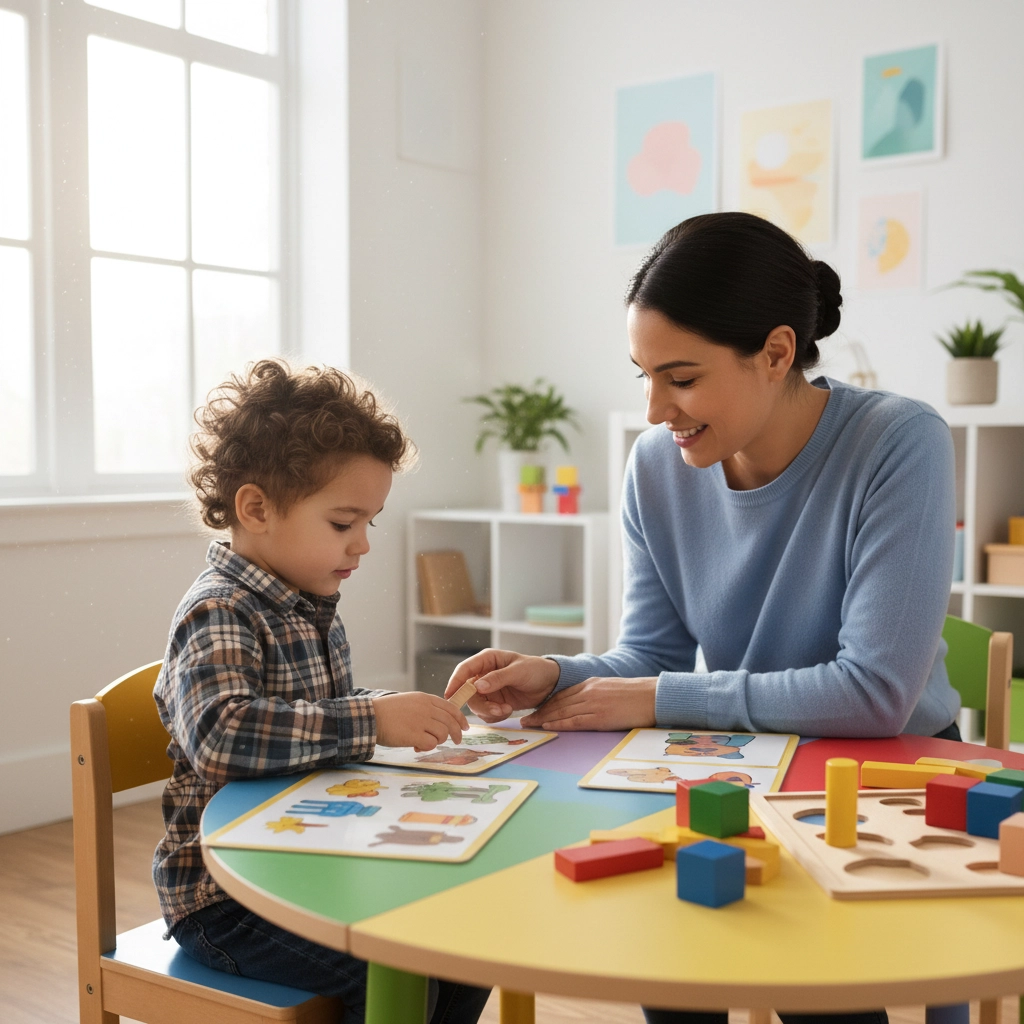
Extrinsic motivation can override a child’s intrinsic motivation and agency. Kids learn to perform for tokens instead of listening to their own cues and interests. Most kids want to comply and perform. When they don't, it's not because they don"t see the "gain", it's because they can't. Rewards won't change that.
It can disempower natural responses like stimming, moving, or looking away—ways the nervous system self-regulates. Suppressing these can increase stress and masking. All behaviour is communication and all behaviour has a purpose. It is up to us as adults to connect to the underlying brain's motivations before trying to redirect (if at all needed).
Frequent prompts and hand-over-hand may teach children not to trust their bodies. This can dull interoception and proprioception—key for safe, confident learning. The result is often kids who don't know what's safe or dangerous for them, who don't trust their inner signals and who are disconnected from their own bodies.
Results are often limited. Gains can be narrow and may not generalize to everyday life; compliance can look like progress without true understanding.
We know many teams mean well. My stance is child-first, consent-based, and nervous-system friendly—gently and with a deep connection to each child as an individual.
Discovering NeuroMovement®: A Brain-First Approach
NeuroMovement®, developed through the Anat Baniel Method®, takes a different path. We don’t push compliance or “fix” deficits. We work with the brain’s natural plasticity so your child can learn in a way that feels safe, playful, and empowering.
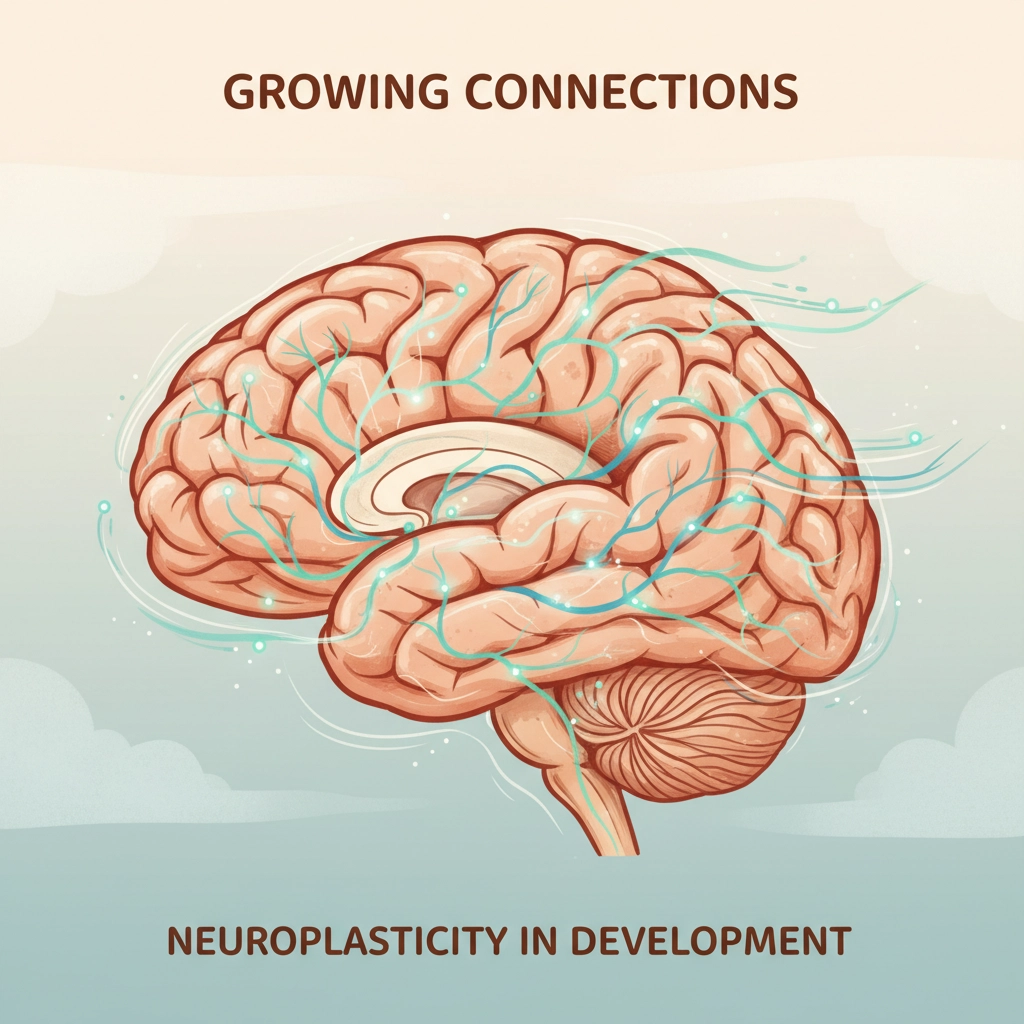
The philosophy (simple and gentle): The brain learns through noticing differences. With slow, varied, comfortable movements and rich sensory experiences, we feed the brain useful information. Learning becomes natural, not forced.
We adapt to your child's nervous system, and not the other way around. We connect and communicate with your child using whatever means they have - clapping, stimming, language or movement. We help your child's brain learn what is relevant to them in that moment - not what's relevant to us.
The process helps kids connect to their own bodily experience of the world, in safety. From there, learning can occur.
How it works in sessions: We follow your child’s lead, invite curiosity, and keep effort low. No drilling. No rushing. Your child remains the active agent—motivated from the inside (motivation intrinsèque).
What families often notice: More ease in movement and coordination, better attention, calmer regulation, and greater comfort in their own body. Every child is unique; progress is personal, pas à pas.
The Key Differences That Matter to Families
Focus
Motivation
View of the child
Body trust
Results
Which Approach Might Be Right for Your Child?
There’s no one-size-fits-all, and you know your child best. That said, I do not recommend ABA. I choose approaches that protect agency, body trust, and nervous-system safety.
If you’re currently in ABA, gentle ways to shift:
Prioritize regulation and consent (consentement). Honor “no,” pauses, and breaks.
Skip forced eye contact, hand-over-hand, and compliance charts.
Use your child’s interests, play, and movement as intrinsic motivators.
Watch for stress signs (tense body, shutdown, meltdowns) and slow down.
Add brain-based movement days with NeuroMovement® to support generalization.
NeuroMovement® may be a fit if you want:
A gentle, child-led approach that respects neurodiversity
Whole-child changes (movement, attention, regulation, confidence)
Care that feels collaborative, integrative, and playful—doucement
The Montreal Advantage: Access to Diverse Approaches
Montreal offers bilingual support and a caring community that values neurodiversity.
You’re not alone here. Families and professionals are embracing child-led, nervous-system-friendly care that helps kids thrive as their authentic selves. I offer NeuroMovement® sessions locally (and in France) with a calm, respectful pace—avec bienveillance.
Making the Decision That's Right for Your Family
Trust your instincts—they matter. A few guiding questions:
Does your child feel safer with flexible, low-pressure learning?
Do you value approaches that protect agency and body trust?
What kind of changes would support daily life at home and school?
Don’t lose hope. The beauty of NeuroMovement® is how small differences can unlock new possibilities—often in surprising ways.
Your steady love is the most powerful therapy. I'm here to walk with you.
Ready to explore a gentle, brain-based path for your child?
Book a free consultation call to see if NeuroMovement® aligns with your goals. Every child deserves to thrive exactly as they are—tout simplement.
Comments